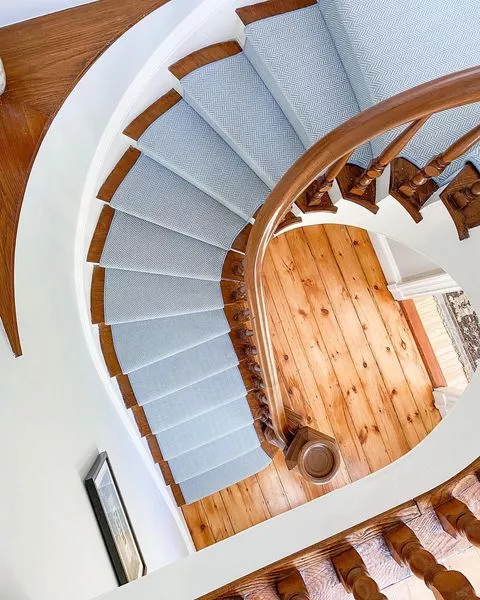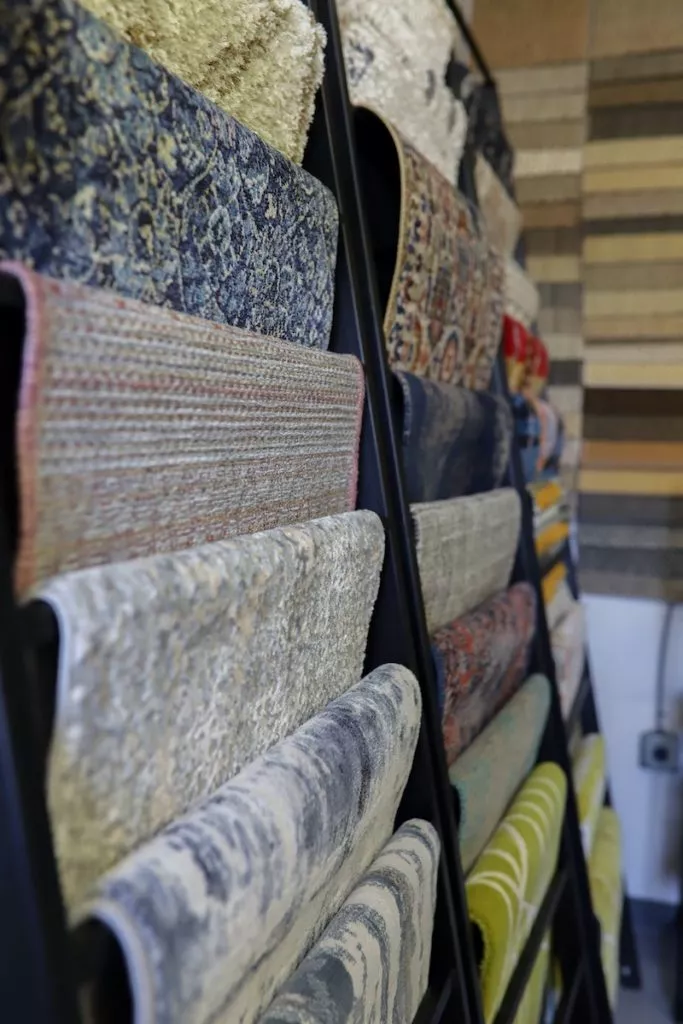
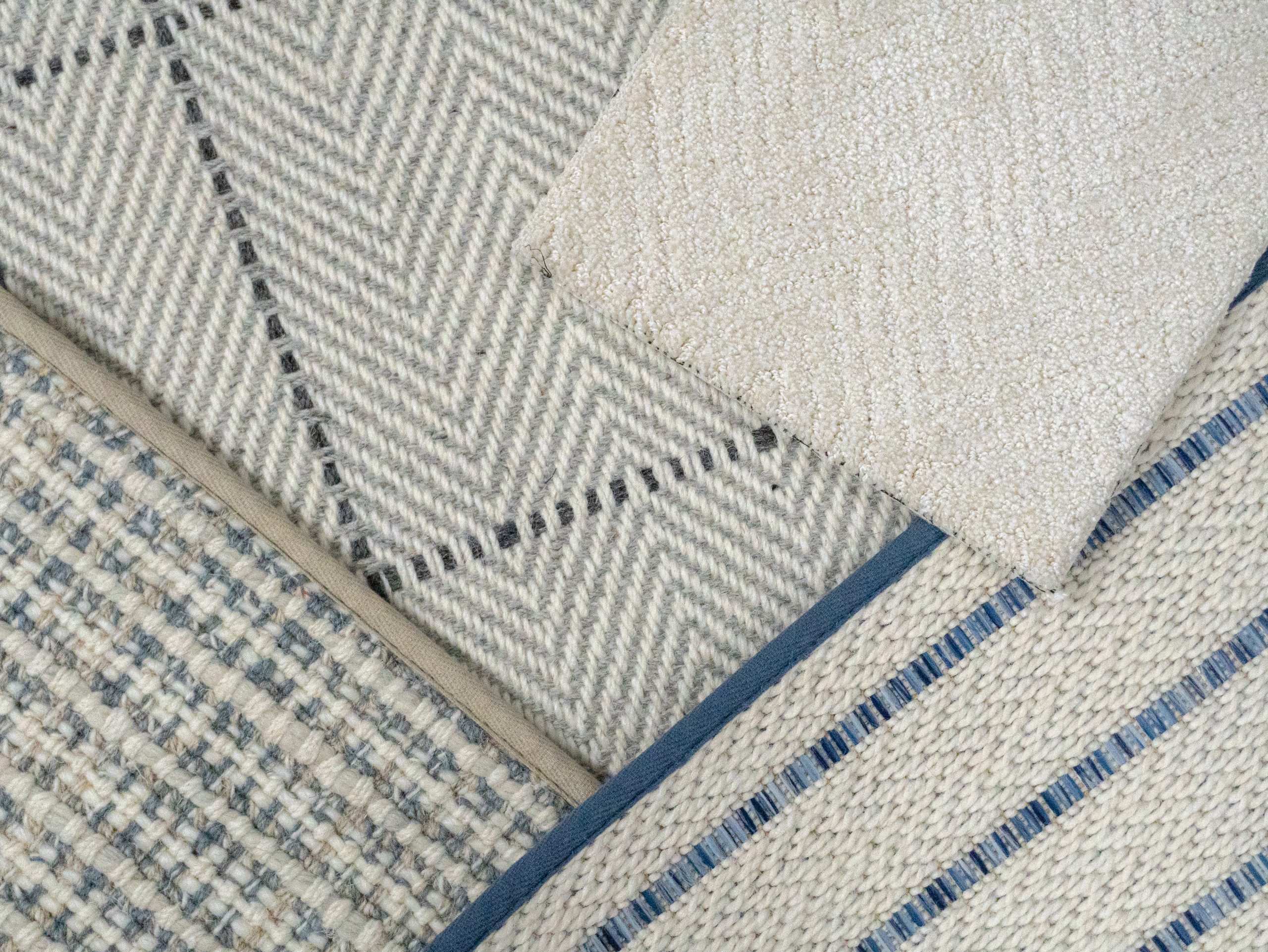
Compare carpet materials like wool, nylon, performance carpet, jute, sisal and wool blends for custom rugs, stair runners and wall-to-wall carpet.
A carpet sample can catch your eye before you know anything about its fiber. But that material helps determine how your finished rug feels, handles foot traffic and responds to spills. If a home project is on your list for 2027, understanding carpet materials is a useful place to start.
Wool offers natural comfort and resilience, while nylon combines softness with strong resistance to everyday wear. Jute suits quieter spaces, and sisal offers a firmer natural weave. Wool blends and performance styles provide more options, but their benefits depend on the specific product. The best choice starts with your room and how you use it.
Carpet Materials at a Glance
| Material | Feel | Main strengths | Consider for | Main limitation |
|---|---|---|---|---|
| Wool | Soft & comfortable | Resilience, insulation, sound absorption | Living rooms, bedrooms, suitable stairs | Needs wool-safe care |
| Nylon | Generally soft | Resilience and abrasion resistance | Busy rooms, hallways, stairs | Stain protection varies |
| Performance Carpet | Often firm in flatwoven styles | Product-specific cleaning and resistance features | Active households, suitable indoor/outdoor spaces | Features differ by product |
| Jute | Softer than sisal | Natural appearance and casual woven look | Lower-traffic rooms | Sensitive to moisture and heavy wear |
| Sisal | Firm and coarse | Strong natural fiber and varied weaves | Dry living spaces, suitable hallways and stairs | Moisture-sensitive |
| Wool Blends | Varies with fiber mix | Different combinations of comfort, appearance and strength | Product-appropriate rugs, runners and rooms | Every fiber affects care |
Wool: Natural Comfort for Everyday Living
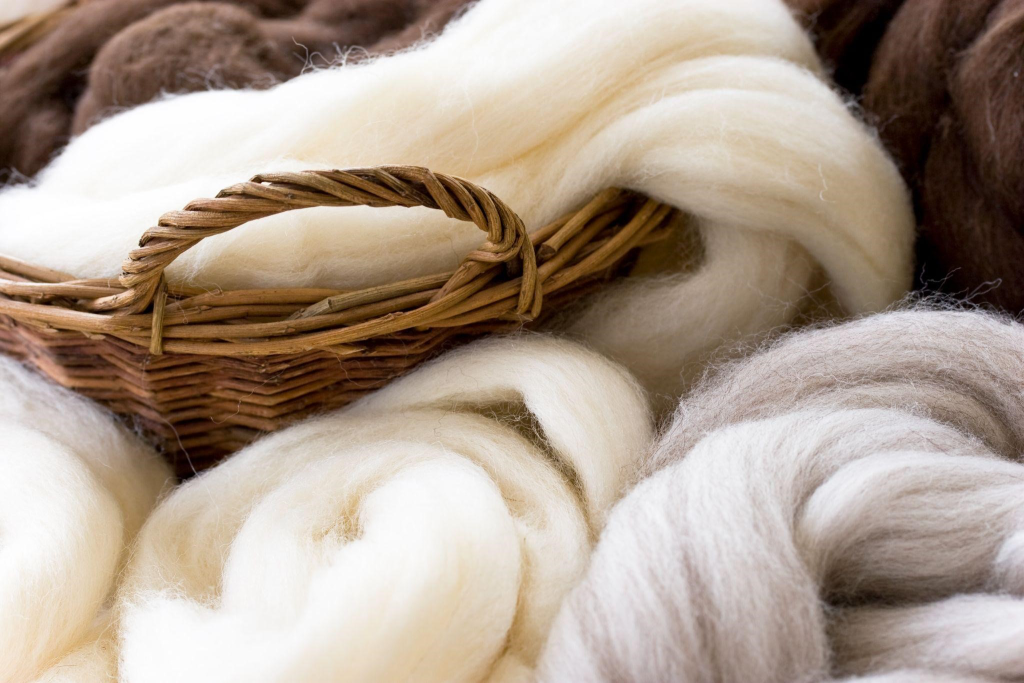
Wool feels comfortable underfoot and offers natural resilience, helping its fibers recover after compression. It also provides insulation and sound absorption, useful in bedrooms and rooms where the family gathers. As a renewable animal fiber, it appeals to homeowners who prefer natural materials. Wool is naturally flame-resistant, although that does not make a finished carpet fireproof.
Consider wool for living rooms, bedrooms and stair runners when the specific construction suits stair use. Its range of patterns makes it adaptable to many interiors. Avoid damp basements, bathrooms and entrances that regularly collect wet shoes. Blot spills promptly and follow wool-safe cleaning instructions instead of treating it like a synthetic carpet.
This is the material everyone seeks for their home and it’s so cozy and functional that it’s hard to resist.
Nylon: Softness That Can Handle Foot Traffic
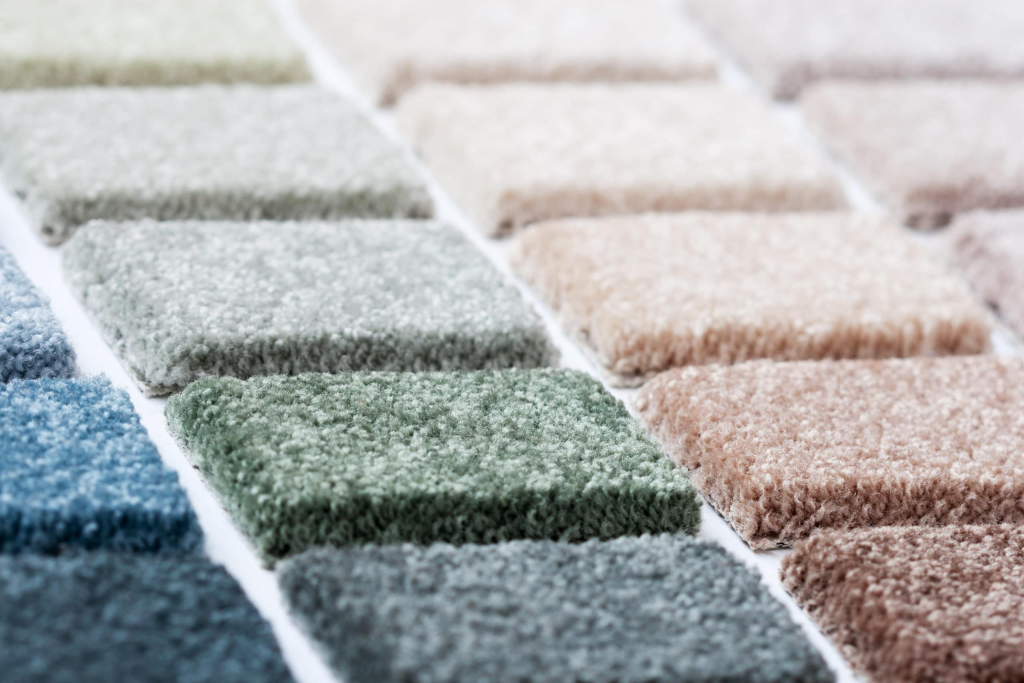
Nylon is generally soft underfoot, with plushness depending on the yarn and construction. Its main strengths include resilience, abrasion resistance and the ability to maintain its appearance through regular use. Those qualities make it worth considering when comfort and durability carry equal weight. A busy hallway can need both.
Consider nylon for family rooms, bedrooms and suitable stair runners. Ask about stain protection and colorfastness, since those features vary between products. A nylon label alone does not guarantee resistance to every spill or prolonged sunlight. Avoid outdoor or persistently damp locations unless the manufacturer specifically approves the complete product for those conditions.
Performance Carpet: Check What the Product Promises
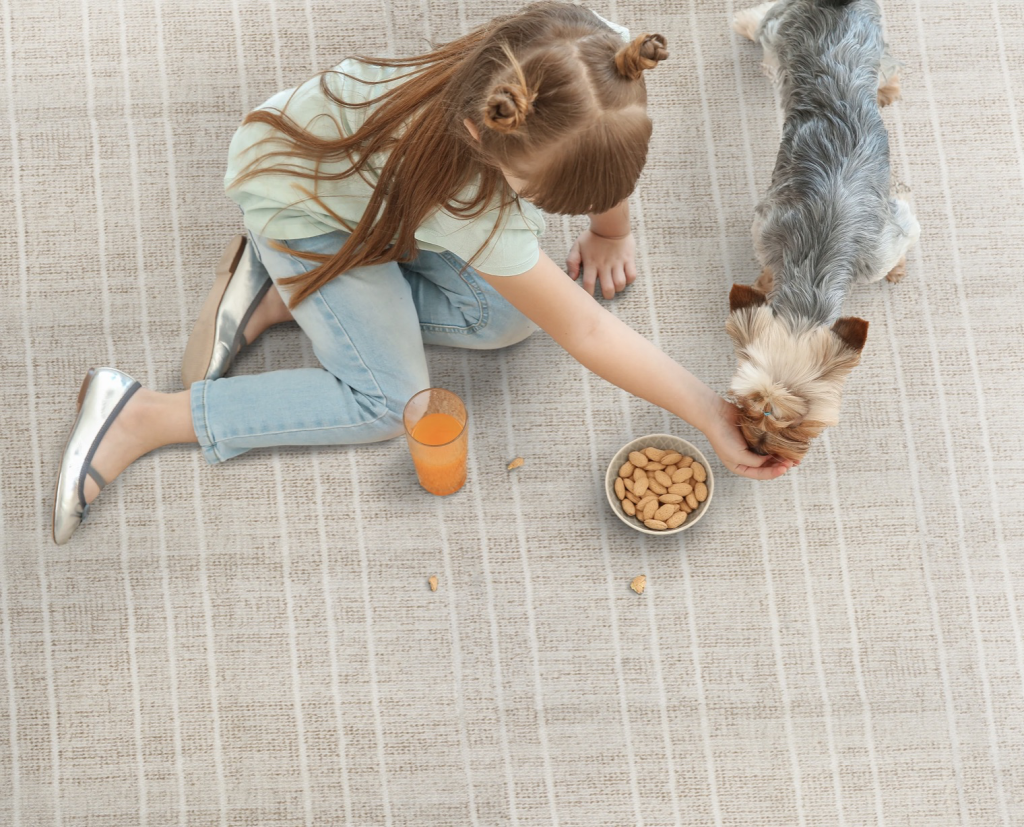
Performance carpet describes a category of features, not one specific fiber, that are engineered into a carpets fibers and construction; these offer a ton of benefits that will certainly make living with carpet easier.
It can include nylon, polypropylene and other materials with different strengths. Flatwoven performance styles often feel firm and structured, while other constructions feel softer. Compare physical samples before deciding what will feel comfortable in your home.
Depending on the product, benefits may include easier cleanup and resistance to stains, abrasion, moisture or fading. We’ve also seen many styles feature UV protection to avoid discoloration; certain styles also offer mold and mildew resistance, outdoor suitability or approved bleach cleaning. These features can suit family rooms and households with children or pets. Check the written specifications, because moisture resistance does not make a carpet waterproof or solve a damp-room problem.
Jute: A Relaxed Look for Quieter Rooms
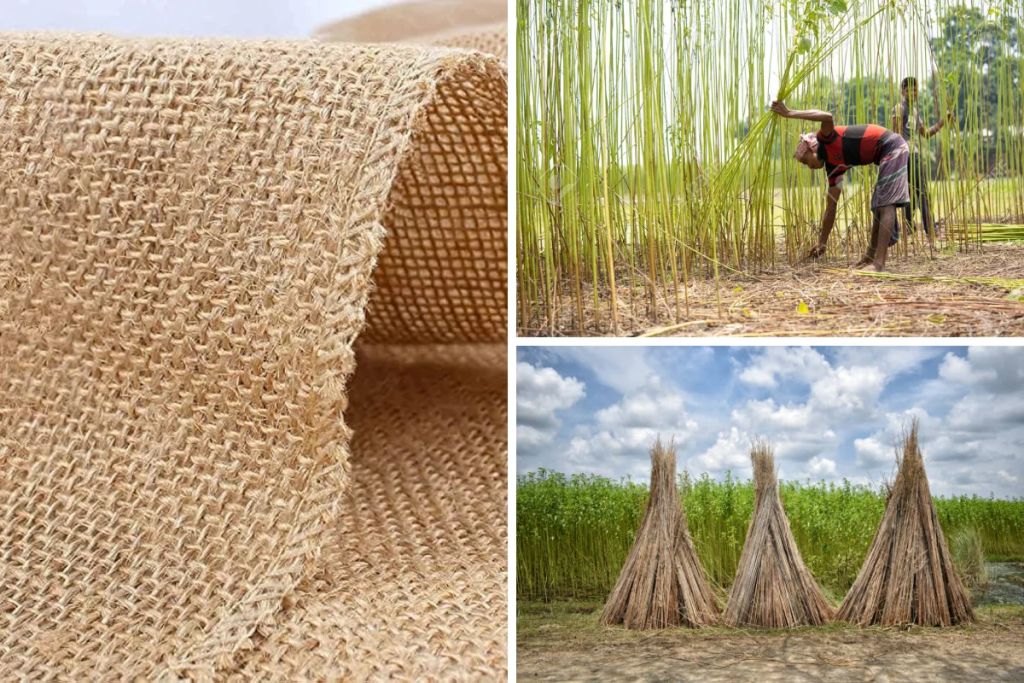
Jute is a plant fiber with natural color variations and a casual woven appearance. It generally feels softer than sisal, although it will not feel like a plush wool carpet. It can be an appealing choice for a bedroom rug or a quieter sitting area. Let the weave provide visual interest alongside simple furniture and finishes.
Jute needs thoughtful placement because heavy wear and moisture can compromise its appearance. Avoid busy entryways, stairs, kitchens, bathrooms and dining areas where spills happen often. Follow the maker’s cleaning directions and avoid soaking the material. Choose it for the room you have, rather than expecting it to behave like performance carpet.
Sisal: A Firm Natural Weave
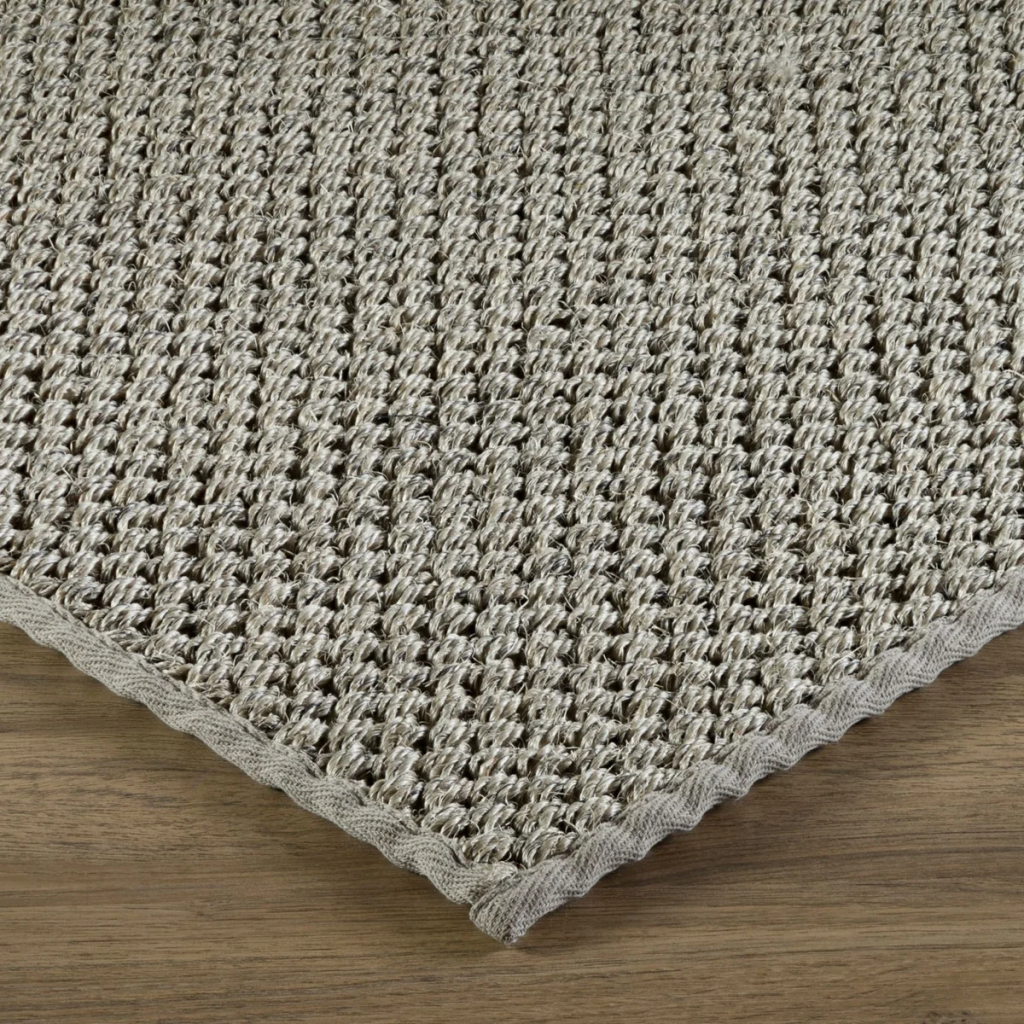
Sisal offers a strong plant fiber and a firm, coarse feel underfoot. Its distinctive weaves can bring definition to a room without relying on a large printed pattern. It generally handles wear better than jute, making it a consideration for dry living spaces and hallways. Certain products also suit stairs, subject to the manufacturer’s approval.
That durability does not mean sisal tolerates wet conditions well. Avoid bathrooms, damp basements and entrances exposed to rain or snow. Consider another material if barefoot softness or frequent spill cleanup is your priority. A sample can help you decide whether its firm feel suits your everyday routine.
Wool Blends: Look at the Full Fiber Content
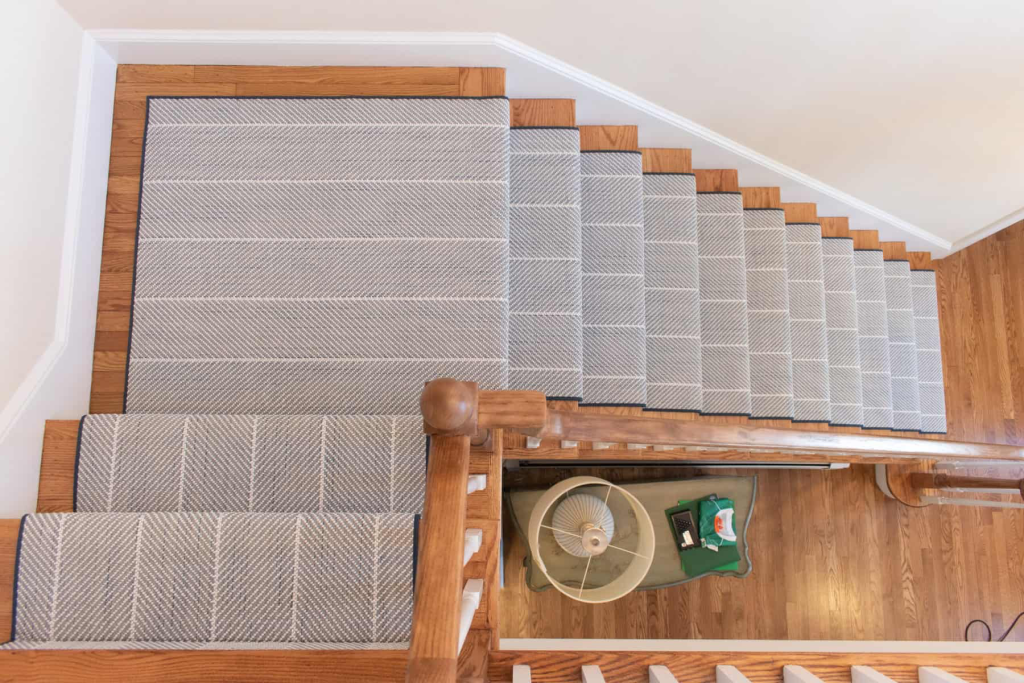
Wool blends combine wool with other fibers to adjust appearance, feel, performance or cost. A wool-and-nylon blend serves a different purpose from a wool-and-viscose blend. Some combinations support durability, while others emphasize softness or sheen. The word “blend” does not automatically mean stronger, cheaper or easier to clean.
Ask which fibers the carpet contains and in what percentages. Then check the care requirements and recommended applications for that exact style. Suitable blends can work for bedrooms, living rooms and stair runners. Keep more delicate combinations away from spill-prone rooms or busy stairs unless their specifications support those uses.
How Do You Choose Between Carpet Materials?
Start with the demands of the space before narrowing down colors and patterns. For stairs, check suitability for repeated foot traffic and the installation your staircase requires. For a bedroom rug, comfort may matter more than abrasion resistance. For a family room, think about spills, pets and your cleaning routine together.
Construction matters alongside fiber, so compare pile height, weave and recommended care. Request samples and view them beside your flooring and furniture in different lighting. Ask about the finished project, including its size, edge finish and appropriate padding. Those details help turn a material choice into a rug or runner that fits your home.
Find Your Material and Carpet Style at The Carpet Workroom
Planning a custom rug, stair runner or wall-to-wall project for 2027? Visit The Carpet Workroom in Newton or Stoughton to compare materials and discuss your space.
Our team can help you narrow the options based on daily use, design preferences and project needs! You can also ask about a free virtual consultation and samples shipped to your home.