Hard surfaces, open layouts and everyday activity can make a home feel louder. Here’s how carpet and rugs can help soften sound and soundproof a room.
A beautiful home can still feel uncomfortable when every footstep, conversation and dropped object seems louder than expected. Open floor plans, tall ceilings and hard surfaces can allow sound to travel throughout a space.
If you’ve been researching soundproofing a room, you may wonder whether carpet or area rugs can actually help. The short answer is yes, but it’s important to understand what they can and cannot do.
Carpet and rugs can help absorb sound within a room and reduce impact noise from footsteps. They cannot completely soundproof a space or block every sound passing through walls and ceilings. However, they can play a meaningful role in creating a quieter and more comfortable home.
Why Does My House Sound So Loud?
Sound behaves differently depending on the surfaces within a room. Hard materials such as hardwood, tile, glass and stone reflect sound rather than absorbing much of it.When a room contains many hard surfaces, sound waves can continue bouncing between floors, walls, windows and ceilings. This can make conversations feel louder and create noticeable echoes.
Modern interior design often includes open layouts, large windows and minimal furnishings. These features can create beautiful spaces, but they may also reduce the number of soft surfaces available to absorb sound.
Adding carpet, rugs, curtains and upholstered furniture can help balance these hard materials. The goal is not always complete soundproofing. Often, homeowners simply want a room that feels calmer and less echoey.
Can Carpet Help Reduce Noise?
Yes! Carpet can help reduce certain types of noise by absorbing sound and softening the impact of footsteps. Carpet is the number one solution for soundproofing a room, whether it’s through wall to wall flooring or a custom rug. Unlike hard flooring, carpet has a fibrous surface that can help absorb sound energy. The carpet construction, fiber, pile and cushion can all influence its acoustic performance. Pair with a thick padding and it adds another layer to reduce noise (and add comfort)
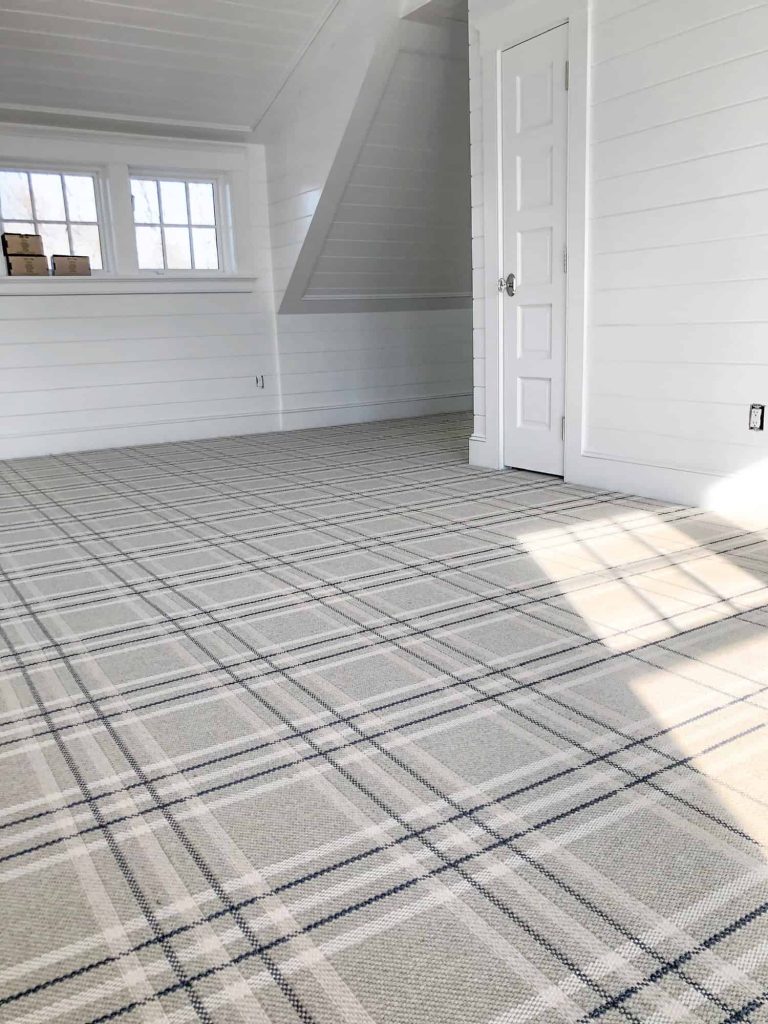
Wall-to-wall carpet provides broad floor coverage, which gives sound fewer hard surfaces to reflect from. This can make a noticeable difference in bedrooms, hallways, family rooms and upper floors.
According to the Carpet and Rug Institute’s information on the acoustic benefits of carpet, carpet can help absorb airborne sound and reduce impact noise. This makes it especially relevant in spaces where footsteps and echoes create everyday frustration.
Does Carpet Actually Soundproof a Room?
Not completely! Carpet can improve a room’s acoustics, but true soundproofing usually requires more extensive construction methods. We would consider carpet or rugs as the first step in sound proofing a room before exploring other solutions.
Sound can travel through walls, ceilings, floors, doors and other structural pathways. Carpet primarily helps by absorbing sound within the room and reducing noise caused by direct impact on the floor.
For example, carpet may soften footsteps from an upstairs bedroom. However, it will not necessarily stop loud music or voices from passing through a poorly insulated wall. Understanding this difference helps set realistic expectations. Carpet can contribute to a quieter environment without serving as a complete soundproofing system.
Do Area Rugs Absorb Sound?
Yes. Area rugs can help absorb sound, especially when placed over hardwood, tile or another hard flooring surface.
A large area rug reduces the amount of exposed hard flooring available to reflect sound. This can help soften echoes and make conversations feel more comfortable.
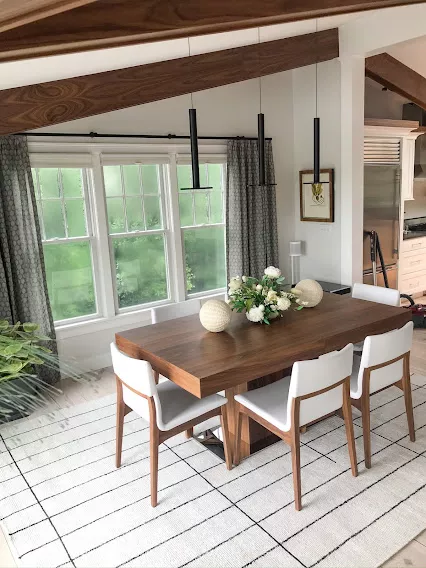
Size matters here. A small decorative rug will have less acoustic impact than a larger rug covering more of the floor. If sound proofing a room is the priority, we would recommend a larger rug, or going with a cut to fit rug to cover as much of the flooring as possible. Cut to fit also works with rooms with unusual dimensions. A custom area rug can provide more floor coverage without forcing a standard size into the space.
Material and construction can also make a difference. A dense wool rug may absorb sound differently than a thin flatweave. Adding a quality rug pad can provide another layer beneath the rug.
For rooms with unusual dimensions, a custom area rug can provide more floor coverage without forcing a standard size into the space.
Can a Rug Pad Help Reduce Noise?
Yes. A rug pad can add another layer of material between the rug and floor. This can help cushion footsteps and reduce some impact noise.
The pad’s thickness, density and material all influence performance. A thicker pad is not automatically the best choice for every rug or room.
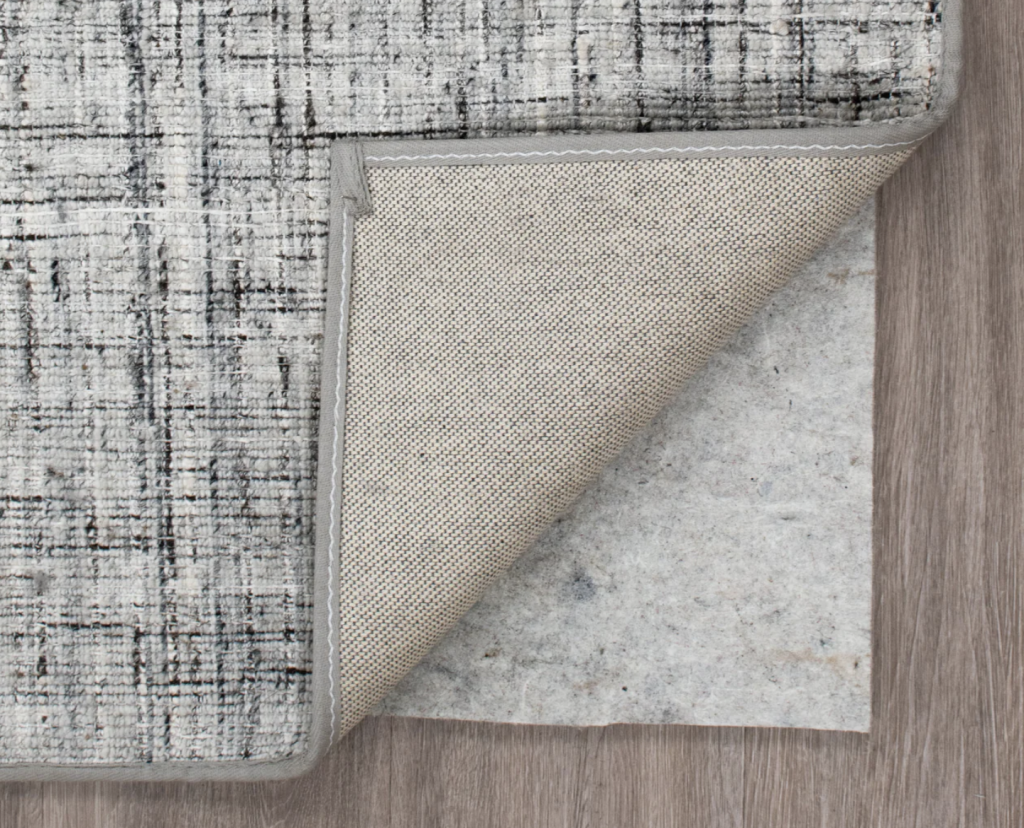
The rug and pad should work together. A hallway runner may need different support than a large living room rug placed beneath heavy furniture.
A properly selected rug pad can also improve stability and comfort. For homeowners dealing with movement, our guide to why area rugs slide, curl or bunch up can help identify common causes and solutions.
What Is Impact Noise?
Impact noise happens when an object physically strikes a surface. Footsteps, dropped objects and furniture movement are common examples. Hard flooring can transfer these sounds through the floor structure. This may make footsteps from an upstairs room more noticeable below.
Carpet and cushion can help soften the initial impact. By adding resilient layers between the foot and subfloor, they can reduce some of the sound generated by everyday movement. This is one reason carpet remains popular in bedrooms, hallways and upper-level living spaces. These areas often benefit from quieter foot traffic.
Can Carpet Reduce Noise Between Floors?
Soundproofing a room also means making it quieter for the rest of the home or your neighbors. Carpet can help reduce impact noise between floors, especially when paired with an appropriate padding. Footsteps are one of the most common examples (and complaints)
However, results depend on the building’s construction. Subfloor materials, insulation, ceiling assemblies and structural connections all affect how sound travels.Carpet should not be treated as a complete solution for every noise problem. If voices, televisions or music pass clearly between floors, additional acoustic improvements may be necessary.
For everyday footfall noise, though, carpet can provide a practical layer of sound absorption and cushioning!
What Type of Carpet Is Best for Noise Reduction?
There is no single carpet that works best in every room. Construction, pile, density, fiber and cushion all affect performance.Generally, denser and thicker carpet constructions can provide more material to absorb sound. The cushion underneath can also contribute to impact noise reduction.
However, acoustic performance should not be the only consideration. The carpet must also suit the room’s foot traffic, cleaning needs and overall design.
For example, a bedroom may support a softer carpet than a heavily used staircase. A busy family room may require a different balance of comfort and durability.
Our carpet buying guide explains the key factors homeowners should consider before choosing a carpet.
Is Wool Carpet Good for Reducing Noise?
Wool is a natural fiber with a dense, resilient structure. Depending on its construction, wool carpet can contribute to sound absorption while also adding comfort underfoot.
Wool is available in many carpet constructions, from plush textures to woven patterns. This gives homeowners and designers flexibility when balancing acoustics with interior design.
However, fiber alone does not determine acoustic performance. Pile height, density, backing, cushion and total floor coverage all matter.
Homeowners interested in natural materials can learn more through our guide to the benefits of natural wool carpet.
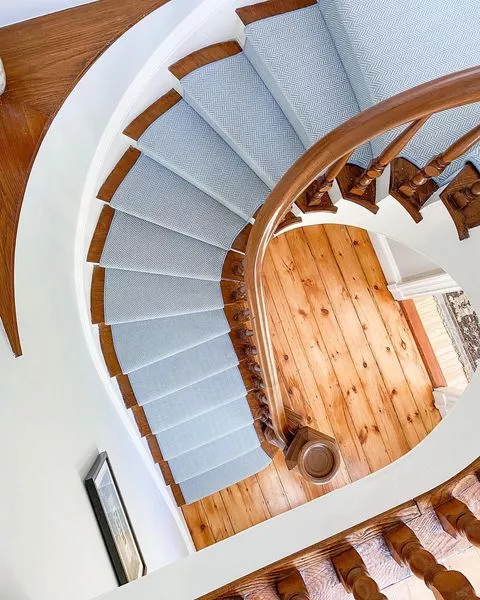
Can Stair Runners Make a Staircase Quieter?
Yes. Stair runners can help soften the sound of footsteps on hardwood stairs.
Bare wood stairs can produce noticeable impact noise, especially in busy households. Each footstep creates direct contact with a hard surface.
A stair runner adds a softer layer across the center of each tread. Depending on the installation and padding, this can reduce the sharp sound of footsteps.
Stair runners also offer design benefits. Homeowners can select different materials, patterns, widths and carpet edge finishes to create a customized look.
Which Rooms Benefit Most From Carpet or Rugs for Noise Reduction?
Bedrooms are an obvious choice because homeowners often want these spaces to feel quiet and restful. Wall-to-wall carpet can soften footsteps and reduce reflections across the floor.
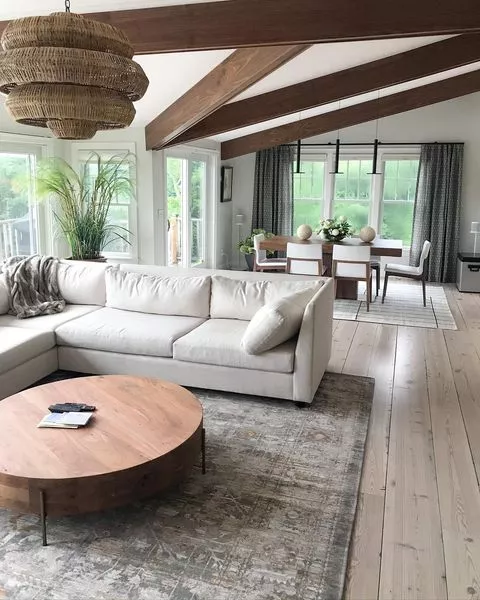
Living rooms and family rooms may also benefit from large area rugs. This becomes especially noticeable in spaces with hardwood floors, large windows and open layouts.
Hallways and upper floors can generate frequent footfall noise. Carpet runners and wall-to-wall installations may help soften everyday movement through these areas.
Home offices can benefit too. A rug or carpet may help reduce echoes during phone calls and video meetings, especially in sparsely furnished rooms.
How Can I Reduce Echo Without Covering My Hardwood Floors?
You do not need to cover every inch of hardwood to improve a room’s acoustics. Strategic use of area rugs can help soften sound while preserving visible wood.
Start with the largest open areas of flooring. Living rooms, dining spaces and bedrooms often provide opportunities for substantial rug coverage.Curtains, upholstered furniture and other soft furnishings can also help absorb sound. Combining several soft surfaces often creates a more noticeable improvement than relying on one small rug.
A custom rug can be especially useful when standard sizes do not provide enough coverage. Fireplaces, floor vents, built-ins and unusual room dimensions can all affect rug placement.
Is Carpet Better Than Hardwood for Noise Reduction?
For sound absorption and impact noise, carpet generally offers advantages over exposed hard flooring. Its fibrous surface and cushion can soften footsteps and reduce sound reflections.
However, flooring choices involve more than acoustics. Design preferences, maintenance, lifestyle and room function should all guide the decision.
Many homeowners choose a combination of hardwood and carpet. Area rugs can soften larger rooms, while stair runners reduce noise on stairs. Wall-to-wall carpet can add comfort in bedrooms and upper floors.
The goal does not have to be choosing one material for the entire home. Different rooms can use different flooring solutions based on their needs.
How Can I Make My Home Feel Quieter?
Start by identifying the type of noise causing the problem. Echoes, footsteps and sound traveling through walls require different solutions.
If a room feels echoey, adding soft surfaces can help absorb sound. Large area rugs, carpet, curtains and upholstered furniture can all contribute.
If footsteps are the main problem, carpet, stair runners and appropriate padding may help reduce impact noise. Upper floors and hallways often benefit most from these additions.
For more serious noise transfer through walls or ceilings, carpet alone may not solve the issue. A qualified acoustic or building professional can evaluate structural sound transmission.
A Quieter Home Can Still Reflect Your Design Style
Reducing noise does not mean sacrificing interior design. Carpet and rugs come in countless colors, patterns, fibers and constructions.
A custom area rug can provide substantial floor coverage while fitting the exact dimensions of a room. Stair runners can soften footfall noise while highlighting the staircase as a design feature.
Wall-to-wall carpet can add comfort and acoustic benefits in bedrooms, hallways and living spaces. The right material can support both the room’s function and overall design.
At The Carpet Workroom, we help homeowners and interior designers explore custom rugs, stair runners and wall-to-wall carpeting for real spaces and lifestyles. From natural wool to high-performance materials, each project starts with understanding how the room will actually be used.
A quieter home does not have to feel covered or overdesigned. Sometimes, the right rug or carpet simply helps the space sound as comfortable as it looks.